

Listening to the Land: Reflections from a Wisconsin Prairie
Guest essay by Gary Kurtz
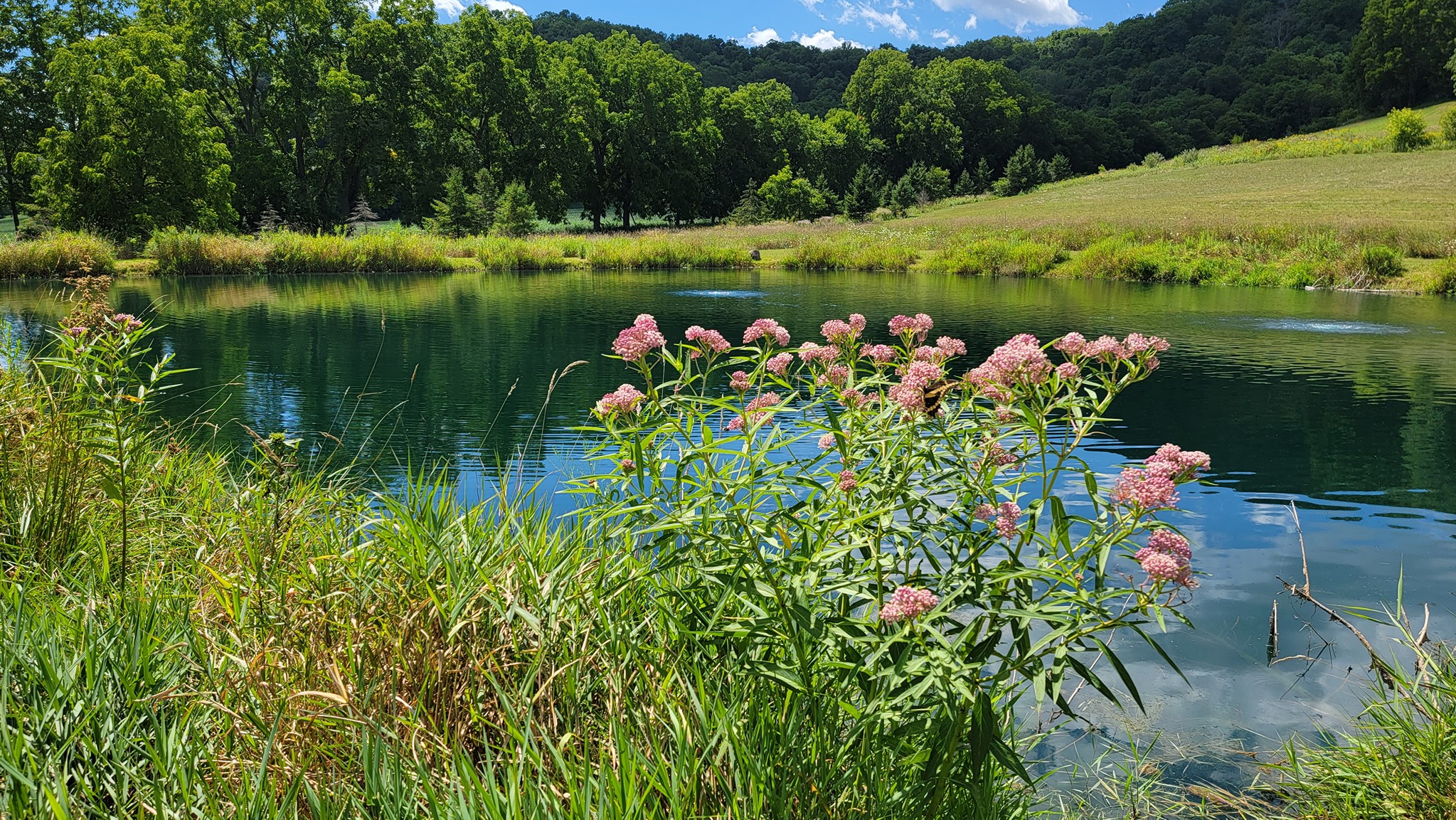
A few cumulus clouds drift lazily overhead, suspended beneath a burnished sky. Sunlight moves in slow, generous waves across the prairie — over sunflowers and cup plants, through big bluestem and prairie dock, lifting the ironweed's purple fire above the grasses. A scent of warm earth rises with the wind. Though the day is warm, a light breeze steals the sun's heat, rippling through stems and seedheads. Standing in that wind, I remember the barefoot summers of childhood, the thrill of a garter snake writhing in my hands, the tart bite of wild gooseberries on my tongue. Back then, nature wasn't a place to visit; it was the world I inhabited. At times, I let that connection slip away. But nature is always there, waiting, and easy to return to. And now, I'm returning to a prairie healthier and more whole than anything I knew growing up.
A Living, Breathing Community
Walking through the tallgrass now, I recognize the monarchs drifting between milkweed stands, the native bees shouldering into coneflowers, the underground networks of grasses binding the land together. Sixty years ago, these species were rare where I lived — survivors clinging to the margins. Beneath my feet, today, roots plunge deeper than I am tall — holding soil in place, storing carbon, surviving fire and drought with a resilience that borders on miraculous. The prairie is not just grass. It is a living, breathing community shaped by millennia of wind, flame, and the hands of those who tended it long before we arrived. What we call restoration today echoes a much older relationship.
An Older Relationship
For thousands of years, Indigenous nations such as the Ho-Chunk, Menominee, and Potawatomi understood these grasslands intimately. Fire was their ally, a carefully wielded tool that renewed the land, invigorated wildflowers, and kept the balance between forest and open ground. These were not untouched wildernesses, even then, but intentionally managed spaces — places where people and prairie shaped one another.
That relationship changed with European settlement. Fires were extinguished. Elk and bison vanished. The open, sunlit savannas and prairies slowly surrendered to encroaching trees and the plow. What had been a mosaic of life became fragmented, nearly forgotten. Yet the memory of these landscapes persists — in remnant prairies, in recovering oak savannas, in the persistence of native plants pushing up through old fields and fencerows.
Into the Past and the Future
To walk a savanna today is to step into both the past and the future. Beneath the open canopy of bur oaks, sunlight pools on culver's root and giant yellow hyssop. Red-headed woodpeckers flash between branches. Field sparrows stitch their songs through the grasses. These places remind us that conservation is more than preservation; it is an act of reverence for the intricate connections that sustain life.
The Mess of Nature Is Infrastructure
But we are not always good listeners.
I often hike through places that seem wild at first glance — prairie, oak savanna, birdsong overhead. Then I enter a stand of red pines planted in perfect rows, tall and still as fence posts. There is no undergrowth. No birds. No mess. Just the silence of order. It looks like a forest, but it does not feel alive.
In our pursuit of neatness, we sometimes confuse aesthetics with ecology. We armor rivers with stone to keep them from wandering. We plant single-species forests in tidy grids. We mow our lawns into submission. What we call stability is often sterility. Dead trees are removed as eyesores, though they are nurseries for fungi, ladders for woodpeckers, and shelter for owls. The mess of nature is not clutter — it is infrastructure.
Restoration as Care
Restoration does not mean walking away. It means discerning when to step back and when to step in. Sometimes the land asks for our hands — to pull garlic mustard from a prairie, to cut back buckthorn along a forest edge, to reintroduce fire where it once danced. These are not acts of domination, but of care. Letting the land speak means learning to listen with humility.
And sometimes, the land speaks loudest through the people who love it, as in the story that follows.
Let Them Wander
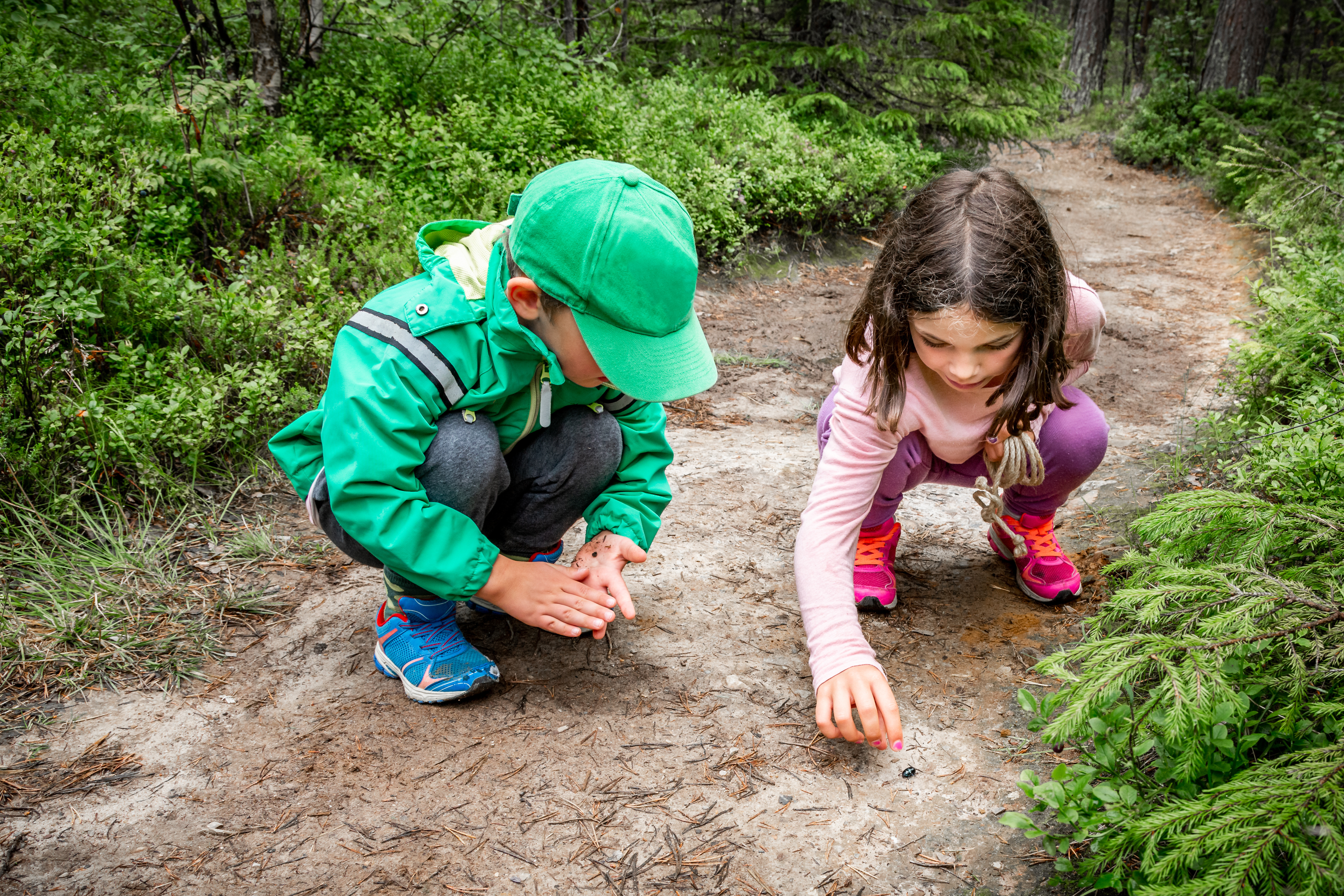
Richard tends two prairies in the hills of southwest Wisconsin — one a creekside remnant, the other a sunlit ridge. He has restored them both with care, season by season, fire by fire, seed by seed. But what he loves most is sharing them. Every summer, he welcomes school groups to walk the trails, to step off the path and into the waving grasses. "Let them wander," he says. "Let them listen."
He begins with an ant hill. Ends with the sky. And somewhere in between, something shifts.
The kids lean in, some curious, others wary. "The ants are working," he tells them. "All the time." He doesn't instruct the kids what to feel. He just lets them watch. Slowly, the fidgeting stops. The phones stay in pockets. They begin to see. Then he asks the kids to close their eyes.
At first, there's giggling. A few peeks. But then the prairie takes over. The wind moves through the big bluestem like a whisper. Bees drone from coneflower to coneflower. A red-winged blackbird calls from the cattails. The buzz isn't just insects — it's life, layered and humming.
I Heard the Grass Talking
One summer, a teacher encouraged her students to lie back in the grass and watch the clouds. Later, she mailed Richard their reflections. One child wrote, "I didn't know the sky could be so big." Another: "I heard the grass talking." Those pages now sit in a folder in his desk drawer, alongside seed catalogs and old field notes. They are part of his prairie now, as much as the milkweed and the monarchs.
Richard thinks about those kids when he walks the trails alone. "I wonder if they remember," he says. The ant hill. The buzz. That moment when a breeze moved through the grass and they went still. He hopes they carry a bit of prairie with them — not just as a memory, but as a way of seeing.
The Prairie Restores Us
Because as we restore prairies, the prairies restore us. As I stand again in the tallgrass, the wind moves through the stems like breath. The prairie welcomes, as it always has. It reminds me that restoration is not only ecological work, but emotional work — an invitation to belong, to pay attention, to remember that we are part of a story much older than ourselves. Nature does not call us back. It has never let us go. It simply waits, offering its wind and its warmth.